Athlete's foot & Fungal nails
Athlete’s foot is a contagious fungal infection that causes itching, redness and peeling or cracks, usually between the toes but also as dry, flaky skin on the heels or sole. Left untreated it can spread across the foot and into the nails, which then become thick, discoloured and brittle. Treat early, complete the full course, keep feet and footwear dry, and see a podiatrist if symptoms persist, involve nails, or you have diabetes or circulation problems.
Does this sound like you?
Itching, stinging or burning between the fourth and fifth toes.
Cracked, peeling or blistered skin that keeps flaring.
Dry, scaly heels that worsen in summer sandals.
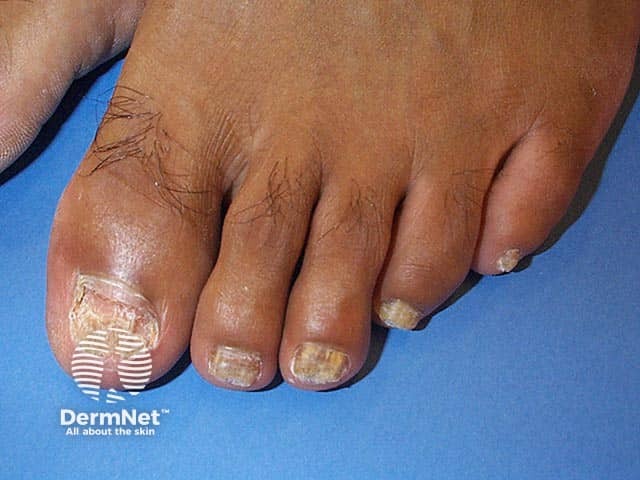
One or more nails turning yellow or brown and getting thicker.
Signs and Symptoms of athlete’s foot and fungal nails
Athlete’s foot
- Itching and soreness: especially in tight shoes or after sport.
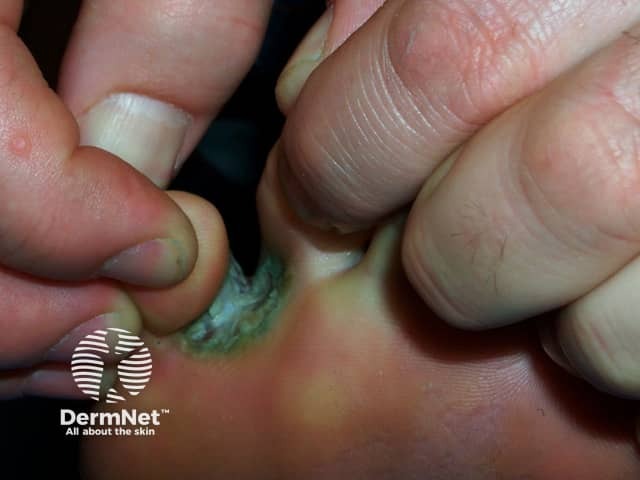
- Redness, scaling and fissures: painful splits can develop.
- Macerated skin between toes: soggy white skin that breaks easily.
- Spread: can involve all toes and sometimes the soles if untreated.
Fungal nails
- Colour change and thickening: yellowing or browning with brittle, crumbly edges.
- Slow to shift: nails clear only as new, healthy nail grows out.
Causes
You can pick up the fungus from infected skin in communal places like pools, showers and changing rooms, or by direct contact. Once on the feet, the warm, dark, sweaty environment inside shoes helps it shrive. People who sweat more are more prone.
Athlete’s foot can also occur in dry, flaky areas. In summer, sun exposure can strip natural oils and sandal friction can traumatise the skin, making infection more likely. Untreated skin infection commonly spreads to the nails, which are then harder and slower to treat.
Treatment for athlete’s foot and fungal nails
Athlete’s foot
- Dry, scaly areas (heels, sides of feet): use an antifungal cream or spray. Your pharmacist may suggest a short course combined with a mild steroid if the skin is very inflamed. Wash hands after use or wear disposable gloves.
- Moist, waterlogged skin (between toes): wash in comfortably cold water, then dab dry with a separate towel or kitchen roll. Do not rub. Avoid moisturisers and powders between toes. A spirit-based preparation on unbroken skin can help evaporate moisture and soothe.
- If severe or persistent: yyour GP or podiatrist may consider antifungal tablets. These can have side effects, including effects on the liver, and are not suitable for everyone, including pregnancy, so take medical advice.
- Stick with treatment: keep going for the full course and a little beyond symptom relief, as directed on the product, to reduce recurrence.
Fungal nails
- Podiatry care: we can reduce nail thickness and cut back carefully to expose the infected nail bed, improving penetration of treatments.
- Topical options: antifungal nail lacquers can be used but often require many months of regular application as the nail grows out.
- Oral options: GP- or podiatrist-prescribed tablets are sometimes needed. They can cause side effects, including effects on the liver, so suitability will be checked by your doctor and blood tests may be advised. Courses for toenails typically last 3 to 6 months, sometimes longer.
What we do at your appointment
- Assessment and diagnosis: examine skin and nails and confirm the pattern of infection.
- Targeted skin treatment:
- For dry areas such as heels, we recommend an appropriate antifungal cream or spray.
- For moist, waterlogged areas between toes, we guide you on cold foot washing, careful dabbing dry, and the safe use of spirit-based preparations on unbroken skin.
- Nail care: reduce thickness and trim nails to help treatments penetrate. Discuss lacquer options and when GP-prescribed tablets may be appropriate.
- Footwear and hygiene plan: shoe rotation, in-shoe hygiene, sock choice and simple daily routines so you treat feet and environment together.
Safety first: if you are pregnant or have other medical conditions, we advise on suitable options and liaise with your GP where needed.
Self-care and prevention
Wash feet in water as cool as comfortable. Dry thoroughly, especially between toes, using a separate towel or disposable paper. Dab, do not rub.
Apply antifungal treatments as directed and continue for the full course, even after symptoms settle.
Avoid moisturiser and powders between toes. Powders are fine inside shoes, not on the skin between toes.
Alternate shoes daily so each pair dries for 24 to 48 hours. Remove insoles and open laces to speed drying.
Choose footwear with a wider, deeper toe box and breathable materials. Change socks daily.
Wear flip-flops in communal showers and bathrooms. Never share footwear.
Want to clear athlete’s foot or fungal nails properly?
We’ll assess risk, treat any pressure points, and give you simple steps to protect your feet day to day.
FAQs
Usually manageable at home, but it can spread to nails and other skin if untreated. Seek help promptly if it persists or you have diabetes or circulation issues.
No. Dry areas respond to antifungal creams or sprays. Moist, macerated skin needs careful drying and may benefit from spirit-based preparations on unbroken skin.
Not always. Lacquers can work but take time. Tablets may be considered if several nails are involved or topical treatment fails. They are not suitable for everyone, including pregnancy, so medical advice is needed.
Oral courses commonly take 3 to 6 months and sometimes longer. Topical lacquers can take up to a year or more because the nail must grow out.
Stopping treatment too early or putting feet back into damp, contaminated shoes allows fungus to return. Treat feet and footwear together and finish the full course.
If symptoms have not improved within about three weeks, if nails are involved, or if you have diabetes, poor circulation or reduced immunity.
Yes. We gently remove hard skin, treat cracks, and advise on creams and footwear to prevent recurrence.
If you notice spreading redness, warmth, swelling, discharge, a bad smell, sudden pain, or black/dark patches. Contact urgent care or your GP the same day.
What our patients think of Complete Footcare
-
Excellent care. Very friendly practice.
Mamacitasmama
5 January 2026 -
Lovely people and magnificent service I love it and my feet feel 100% aftet
Ken Milne
29 July 2026 -
Mansoor Butt is a thoroughly lovely and dedicated practitioner. He moved heaven and earth to see me and sort a particularly difficult ingrown toenail. Easily one of the best healthcare practitioners I’ve had to see over the years. The reception staff are wonderful too.
Benj
13 August 2025 -
I have been going to Complete Footcare for many years and have always received excellent and very professional service from them. They are friendly, efficient and caring and I would have no hesitation in recommending them
Lindsay Eadon
7 April 2026 -
Very knowledgeable, great advice for running
Liam Gavin
5 March 2026
