Corns, calluses and cracked heels
Corns, calluses and cracked heels are areas of hard, thickened skin that form when the feet are exposed to repeated pressure or friction.
They are very common in adults and older people, and are more likely if you have foot shape changes, stand or walk for long periods, or wear tight or unsupportive footwear.
People with diabetes, poor circulation or reduced immunity should not self-treat and are advised to see a podiatrist.
If you are looking for help in South Woodford, we can assess the cause and talk you through the most appropriate treatment plan.
Does this sound like you?
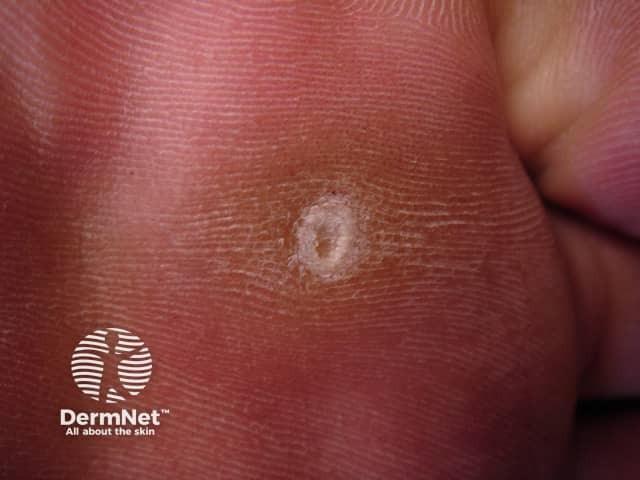
A small, hard plug of skin that hurts when pressed
Larger patch of hard, yellowish skin on the ball of the foot or heel
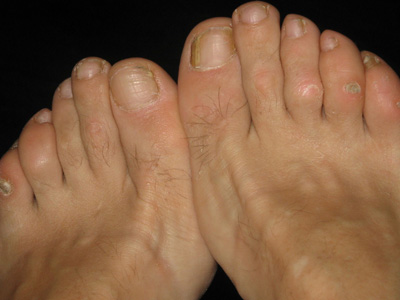
White, rubbery skin between the toes that feels sore
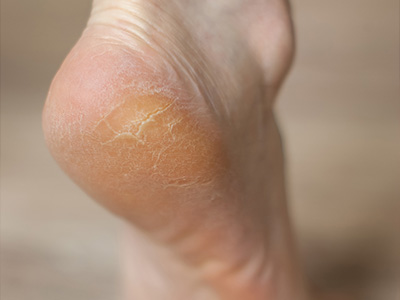
Dry, thick heels that are splitting into painful cracks
You’re not sure what’s safe because of diabetes or poor circulation
Signs and Symptoms of corns, calluses and cracked heels
Callus: larger patch of hard, yellowish skin, often on the ball of the foot or heel
Corns: smaller, more focused plug of hard skin that can feel like a “stone in the shoe”; can be hard, soft, seed, vascular/neurovascular or long-standing fibrous corns
Cracked heels: dry, thick skin at the heel edge that splits and can become sore or bleed
Pain or tenderness when standing, walking or wearing shoes
Causes
- Repeated pressure or rubbing from footwear or the ground
- Bony prominences or toe deformities that concentrate pressure
- Gait changes that overload specific areas of the foot
- Reduced natural cushioning in older skin
- Moist skin between toes that encourages “soft” corns
- Dry, thick skin around the heel rim that can split into fissures
Treatment for corns, calluses and cracked heels
Safe, gentle relief starts here. We remove corns and callus, treat cracked heels, and guide you on emollients and supportive shoes to help stop problems returning. Get in touch to ask any questions.
What we do at your appointment
- Painless removal of corns and careful reduction of callus
- Treatment for cracked heels, including debridement of hard skin and management of heel fissures
- Padding, silicone toe props or insoles to offload pressure points
- Advice on footwear and simple gait or activity changes
- Skin care plan with emollients and, where appropriate, urea-based creams
- Guidance for self-care between visits and specific advice if you have diabetes or circulation problems
Important: Do not cut corns yourself and avoid acid corn plasters without professional advice. These can damage healthy skin and lead to infection, especially if you have diabetes or poor circulation.
Self-care and prevention
Use a pumice stone or foot file gently after bathing, then moisturise daily
Keep between the toes dry and use a foam wedge if they rub
Choose wider, supportive footwear with adequate depth for toes
For cracked heels, apply a rich heel balm regularly and consider heel cups to reduce splitting
Seek professional help if problems persist for more than three weeks, or sooner if you have diabetes, poor circulation or a reduced immune system
Need relief from corns, callus or cracked heels?
We treat these safely and gently, with advice to stop them coming back. Call now to book, or email us with any questions.
FAQs
A callus is a broader area of thickened skin from pressure. A corn is a smaller, focused plug of hard skin that often feels sharper and can be more painful when pressed.
They often contain acids that can burn surrounding healthy skin. Always check with a podiatrist first, and never use them if you have diabetes, poor circulation or fragile skin.
No. Cutting corns yourself increases the risk of injury and infection. A podiatrist can remove corns painlessly and safely.
Dry, thickened skin at the heel rim can split when it is compressed and then expands as you walk. Regular moisturising, gentle filing and good footwear can help, alongside professional treatment if cracks are deep or painful.
They can if the original pressure or friction persists. We focus on both removal and prevention, using padding, insoles and footwear advice to reduce recurrence.
If symptoms last longer than three weeks, are painful, or you have diabetes, circulation problems or a reduced immune system, book with a podiatrist rather than self-treating.
Seed corns are tiny and often painless. If they become sore or interfere with activity, they can be managed easily in clinic.
Yes. Skin naturally loses some cushioning with age, which can increase pressure under the ball of the foot. Padding, footwear tweaks and emollients help.
What our patients think of Complete Footcare
-
Amazing service. Made an appointment for an ingrown toenail, within 30 mins Mansoor had treated it and gave great advice on aftercare. 10/10 would recommended.
kieron sumal
13 January 2026 -
Very knowledgeable, great advice for running
Liam Gavin
5 March 2026 -
Sally is an excellent podiatrist — highly professional, thorough, and caring. This was our second treatment, and once again she did a fantastic job. A large amount of hard skin and calluses were removed from all around the feet, which had become quite severe, and the improvement afterwards was remarkable. She worked carefully and made the whole experience comfortable and reassuring. Very knowledgeable and clearly takes pride in her work. Highly recommend Sally to anyone needing professional foot care.
Laureen Knight
2 May 2026 -
Mansoor Butt is a thoroughly lovely and dedicated practitioner. He moved heaven and earth to see me and sort a particularly difficult ingrown toenail. Easily one of the best healthcare practitioners I’ve had to see over the years. The reception staff are wonderful too.
Benj
13 August 2025 -
An excellent chiropodist - my nail problems are sorted quickly and painlessly. I also get good advice on footcare. Very friendly staff.
Roseanne Partridge
25 February 2026
